The Classroom of 2030: Education as the Engine of Economic Growth
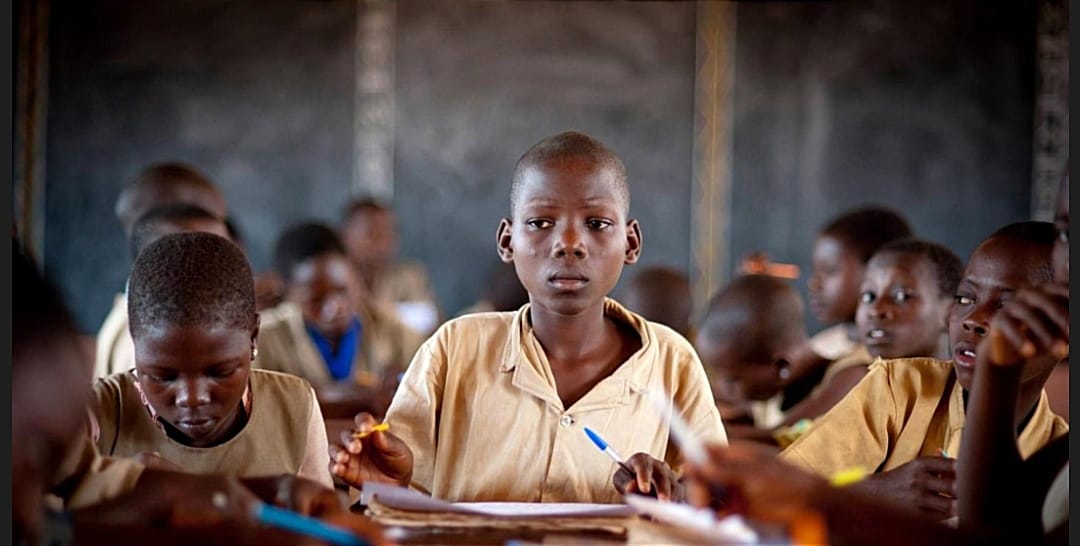
What will classrooms look like in 2030? Explore how future learning spaces, powered by technology and innovation, will shape economies and empower the next generation.
Introduction: The Future Is Already Knocking
Education has always been the foundation upon which nations build their future. By 2030, the classroom will look and feel dramatically different , smarter, more interactive, and deeply connected to real-world needs. Beyond preparing individuals, education will serve as the catalyst for economic growth, fueling innovation, entrepreneurship, and social progress.
What Will Classrooms Look Like in 2030?
The classrooms of tomorrow will not simply be physical spaces with desks and chalkboards. They will be dynamic, tech-driven ecosystems that merge creativity, technology, and personalized learning. Here’s what to expect:
- Smart Classrooms
Artificial Intelligence (AI) will tailor lessons to individual learning styles. Imagine a classroom where no student is left behind because learning is adaptive and customized. - Virtual and Augmented Reality
History won’t just be read, it will be experienced. Students will walk through ancient civilizations or conduct science experiments in virtual labs without risk or cost. - Global Classrooms
With digital platforms, students in Nigeria, India, or Brazil will collaborate in real-time with peers in the US or Europe, breaking geographical barriers. - Hybrid Learning Models
The strict line between physical and online classrooms will blur. Flexible learning options will empower students to balance education with work and innovation. - Focus on Skills, Not Just Degrees
The classroom of 2030 will emphasize critical thinking, creativity, entrepreneurship, and digital fluency over rote memorization. The world will value what you can do as much as what you know.
Education as an Economic Catalyst
Why does this matter? Because education is not only about personal growth, it’s the backbone of economic transformation.
a. Skilled Workforce: Economies thrive when citizens are equipped with relevant, future-ready skills.
b. Innovation and Research: Universities and schools will fuel entrepreneurship, creating solutions to local and global challenges.
c. Reduced Inequality: Access to quality education bridges social and economic gaps, opening doors for all.
d. Global Competitiveness: Nations with strong education systems will lead in technology, healthcare, finance, and beyond.
When classrooms evolve, entire economies grow. The innovations of tomorrow will be seeded in the classrooms of today.
The Call to Action: Building the Future Now
If we want a prosperous 2030, we must invest in education today. This means:
- Equipping schools with digital tools.
- Training teachers to be facilitators, not just instructors.
- Ensuring inclusive access so no student is left out.
- Embedding entrepreneurship and innovation into curricula.
Conclusion: The 2030 Vision
The classroom of 2030 will be more than a learning space, it will be a launchpad for economic growth and human potential. Education will not only shape students’ futures but also redefine the future of nations.
The question is: Are we ready to build it?