
Strategic Thinking: How to See the Big Picture in Your Career & Business
Are you busy or strategic? Dr. Mercy Lyons explains what strategic thinking is, the five habits of strategic thinkers, and how to see the big picture in your career and business.

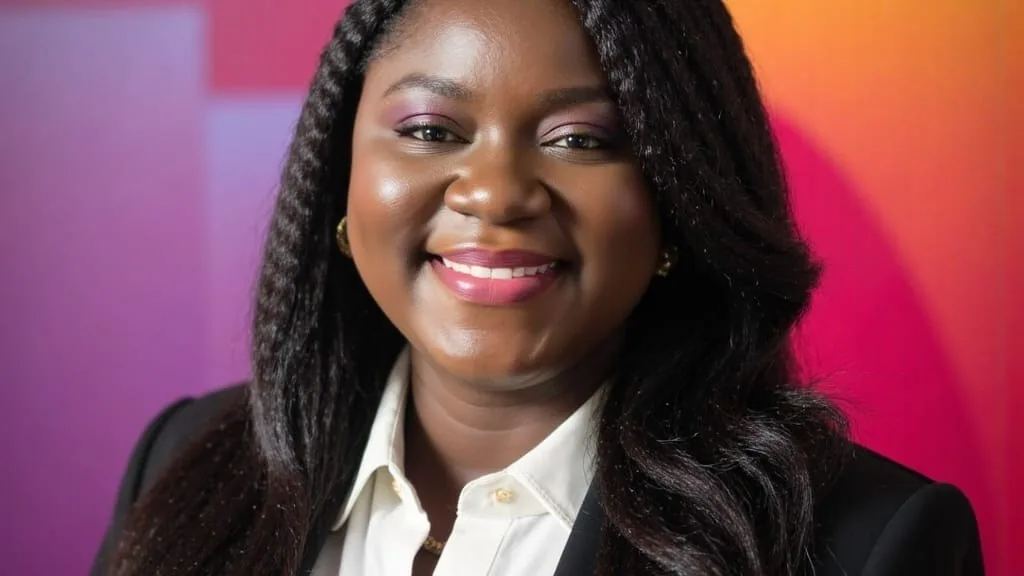
Strategy is seeing beyond today's tasks to tomorrow's possibilities.
We live in a world that rewards busyness. People celebrate long hours, full calendars, and endless to-do lists. We often equate activity with productivity and motion with progress. But here's a question worth asking:
Are you busy... or are you strategic?
Many professionals are exceptionally hardworking, yet they remain stagnant. Many businesses are constantly busy, yet they fail to grow sustainably. The difference is rarely intelligence. It is strategic thinking.
What is Strategic Thinking?
Strategic thinking is the ability to see beyond the immediate, anticipate future possibilities, connect seemingly unrelated ideas, and make decisions today that create value tomorrow. It is about understanding not just what needs to be done, but why it matters, where it is leading, and how today's decisions influence tomorrow's outcomes. Strategic thinkers don't merely react to events, they prepare for them.
As Peter Drucker famously observed:
The best way to predict the future is to create it.
Creating the future requires more than hard work. It requires thoughtful direction.
Why Strategic Thinking Matters More Than Ever
The world is changing at an unprecedented pace. Artificial Intelligence is transforming industries. Technology is reshaping careers. Global competition is increasing. Customer expectations continue to evolve.
Organizations and professionals who simply respond to change will always be one step behind. Those who think strategically position themselves ahead of change.
According to the World Economic Forum, analytical thinking remains the most important core skill employers seek, followed closely by creative thinking and resilience. As jobs evolve, employers increasingly value people who can solve complex problems and anticipate future needs rather than merely execute routine tasks.
Strategic thinking has become a competitive advantage.
The Difference Between Operational Thinking and Strategic Thinking
Operational thinkers ask:
What needs to be done today?
How do we solve today's problem?
What is urgent?
Strategic thinkers ask:
Where are we going?
What challenges are coming?
What opportunities are emerging?
What capabilities must we build today to remain relevant tomorrow?
Operations keep an organization running. Strategy ensures it keeps growing. The best leaders know how to balance both.
The Five Habits of Strategic Thinkers
1. They Think Long-Term
Strategic thinkers understand that today's decisions shape tomorrow's reality. Instead of chasing immediate rewards, they build sustainable success.
As Stephen Covey advised:
Begin with the end in mind.
Before making decisions, ask yourself:
Where do I want my career to be in five years?
What kind of organization am I building?
What legacy do I want to leave?
When the destination is clear, today's decisions become easier.
2. They Stay Curious
Strategic thinkers never stop learning. They read widely. They ask thoughtful questions. They explore trends outside their industries.
Research by Carol Dweck on the growth mindset demonstrates that people who believe abilities can be developed through learning are more likely to embrace challenges, persist through setbacks, and achieve long-term success.
Continuous learning is not optional. It is strategic preparation.
3. They Connect the Dots
Strategic thinking is seeing relationships others miss. Such as an economic trend, a technological shift, a policy change or even a demographic movement.
Individually, these seem unrelated but strategically, they tell a story. Great leaders identify patterns before others notice them.
4. They Ask Better Questions
Rather than rushing toward solutions, strategic thinkers spend time understanding the real problem. Instead of asking: "How do we fix this?" They ask:
Why is this happening?
What assumptions are we making?
What happens if we do nothing?
What opportunities are hidden here?
Better questions produce better decisions.
5. They Build Systems, Not Shortcuts
Quick wins are attractive but sustainable systems create lasting success. Whether you're building a career or a business, ask:
What process can I improve?
What can I automate?
What capability should I develop?
What investment today will pay dividends tomorrow?
As James Clear reminds us:
You do not rise to the level of your goals. You fall to the level of your systems.
Strategic Thinking in Your Career
Professionals who think strategically don't wait for opportunities. They prepare for them. They ask:
Which skills will be valuable in five years?
What leadership experiences should I seek?
Who should I learn from?
What professional relationships should I build?
Promotions rarely happen because someone worked the hardest. They often happen because someone became the most prepared.
Strategic Thinking in Business
Businesses that endure are not always the largest or the most resourceful. More often than not, they are the ones that adapt quickly to changing realities. In today's rapidly evolving business environment, adaptability has become a greater competitive advantage than size.
Strategic business leaders understand that sustainable success requires looking beyond today's operations. They constantly challenge their assumptions by asking critical questions: What problem are we truly solving for our customers? How are our customers' needs, expectations, and behaviors changing? Which emerging innovations should we embrace to remain relevant? Where is the market heading, and how should we position ourselves for the future?
These questions shift leadership from being reactive to being proactive. Rather than waiting for disruption to happen, strategic leaders anticipate change, prepare for it, and leverage it as an opportunity for growth. They recognize that strategy is not simply about responding to uncertainty but it is about transforming uncertainty into opportunity.
In a world where change is the only constant, the organizations that thrive will be those that continuously learn, adapt, and innovate ahead of the curve.
A Personal Reflection
Working in the education and knowledge industry has continually reinforced one lesson for me: Leadership is not simply about managing today's operations. It is about preparing institutions, people, and systems for tomorrow.
Throughout my journey, I have learned that timeliness, excellence, and continuous learning are more than personal values, they are strategic disciplines.
Timeliness has taught me that opportunities are often lost not because they never existed, but because they were delayed. Excellence continually reminds me that the quality of today's work becomes the reputation we carry into tomorrow. And continuous learning keeps me humble, adaptable, and relevant in a world where knowledge, technology, and expectations are constantly evolving.
These are more than personal values, they are the principles that shape my decisions, define my leadership, and influence how I approach every responsibility entrusted to me. They have strengthened my commitment to building sustainable systems, developing people, and creating lasting impact rather than pursuing short-term results. I have come to appreciate that true leadership is not measured merely by what we accomplish today, but by the enduring legacy of excellence, integrity, and growth we leave behind.
Final Thoughts
Strategic thinking is not reserved for CEOs, entrepreneurs, or senior executives. It is a life skill, one that empowers anyone who desires to live and lead with intention.
It influences every aspect of your life: how you make decisions, navigate your career, build meaningful relationships, invest your time, allocate your resources, and prepare for opportunities that have yet to arrive. At its core, strategic thinking is about seeing beyond the immediate and making choices today that position you for success tomorrow.
Being strategic means refusing to become consumed by today's urgencies while neglecting tomorrow's possibilities. It requires the discipline to look beyond immediate demands, anticipate change, and make decisions that create long-term value rather than short-term relief.
In a rapidly changing world, those who thrive will not necessarily be the busiest or even the most talented. They will be those who think ahead, adapt intentionally, and consistently align their daily actions with a larger vision. After all, strategy is not merely about planning for the future but it is about living today with the future in mind.
As John C. Maxwell wisely said:
Everything rises and falls on leadership.
And leadership rises and falls on the quality of thinking behind it. The future belongs to those who can see beyond the horizon and who have the courage to prepare for it today.
Let's Continue the Conversation
How are you intentionally developing your strategic thinking, whether in your career, business, or personal life? Share your thoughts in the comments below.
If this article challenged your thinking, I'd appreciate it if you would share it with your network. Strategic thinking grows stronger when ideas are shared.
This article first appeared in When Lyons Speak, Dr. Mercy Lyons' newsletter on LinkedIn.

0 Comments
Loading comments…